You've got the track, the talent, and the vision—but a music video shoot lives or dies on the studio floor. We've delivered 200+ shoots at Veedo, and we've seen firsthand how the right floor setup can transform a mediocre take into a viral moment. This checklist walks you through everything your music video needs before you hit record.
Quick answer
A music video shoot floor checklist should cover three critical areas: choosing between reflective and matte surfaces based on your artistic vision and lighting needs, planning adequate space for choreography and multi-camera setups (typically 600+ sq ft for dynamic movement), and conducting pre-shoot prep including cleanliness inspection, zone marking with tape, and acoustic testing. Your floor choice directly impacts lighting setup, artist movement safety, and post-production workflow, making it a foundational decision before recording begins. Key considerations include accounting for light bounce on glossy floors, ensuring unobstructed space for cameras and talent, and confirming your studio has been professionally cleaned and properly marked for crew safety.
The Surface Question: Reflective vs. Matte
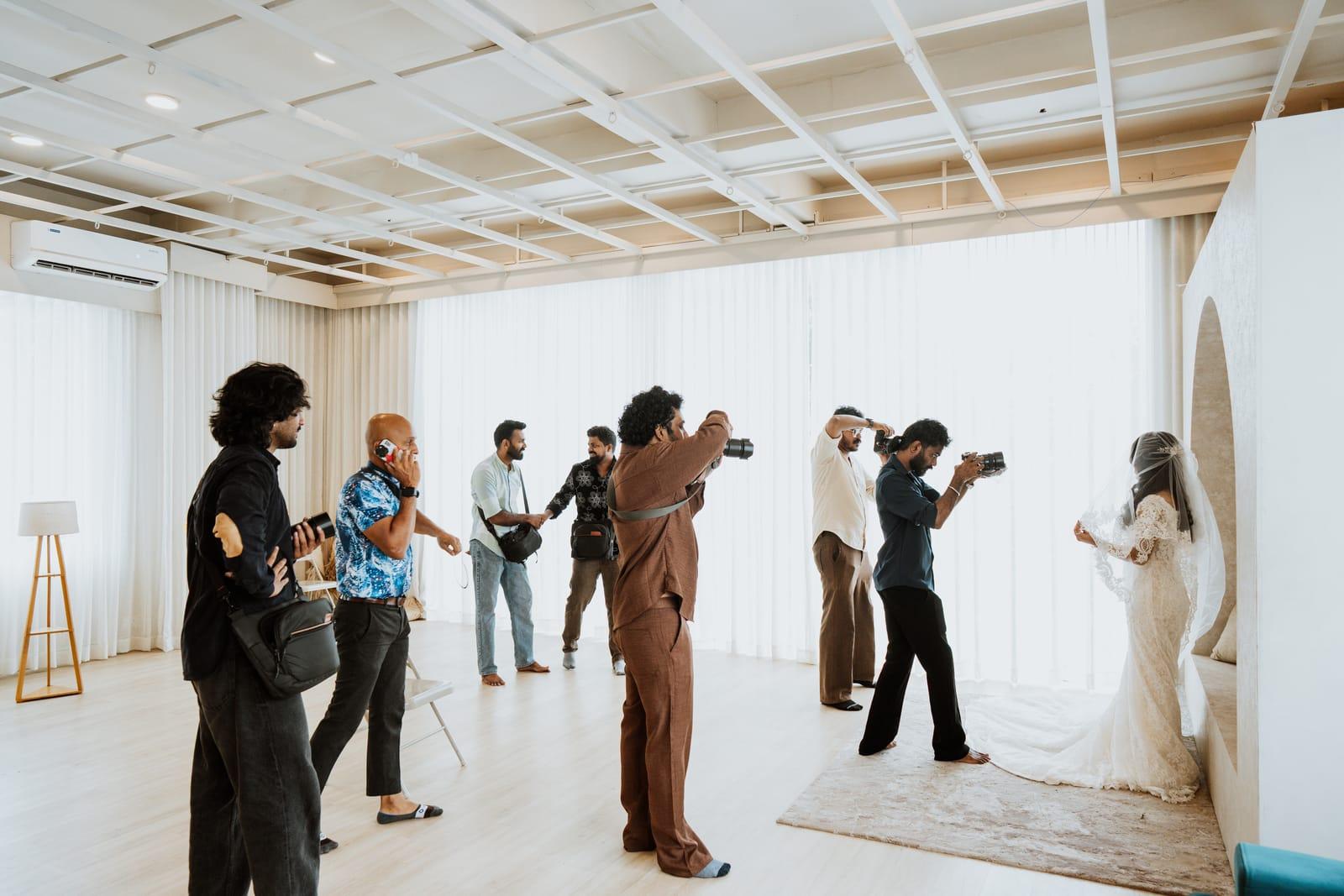
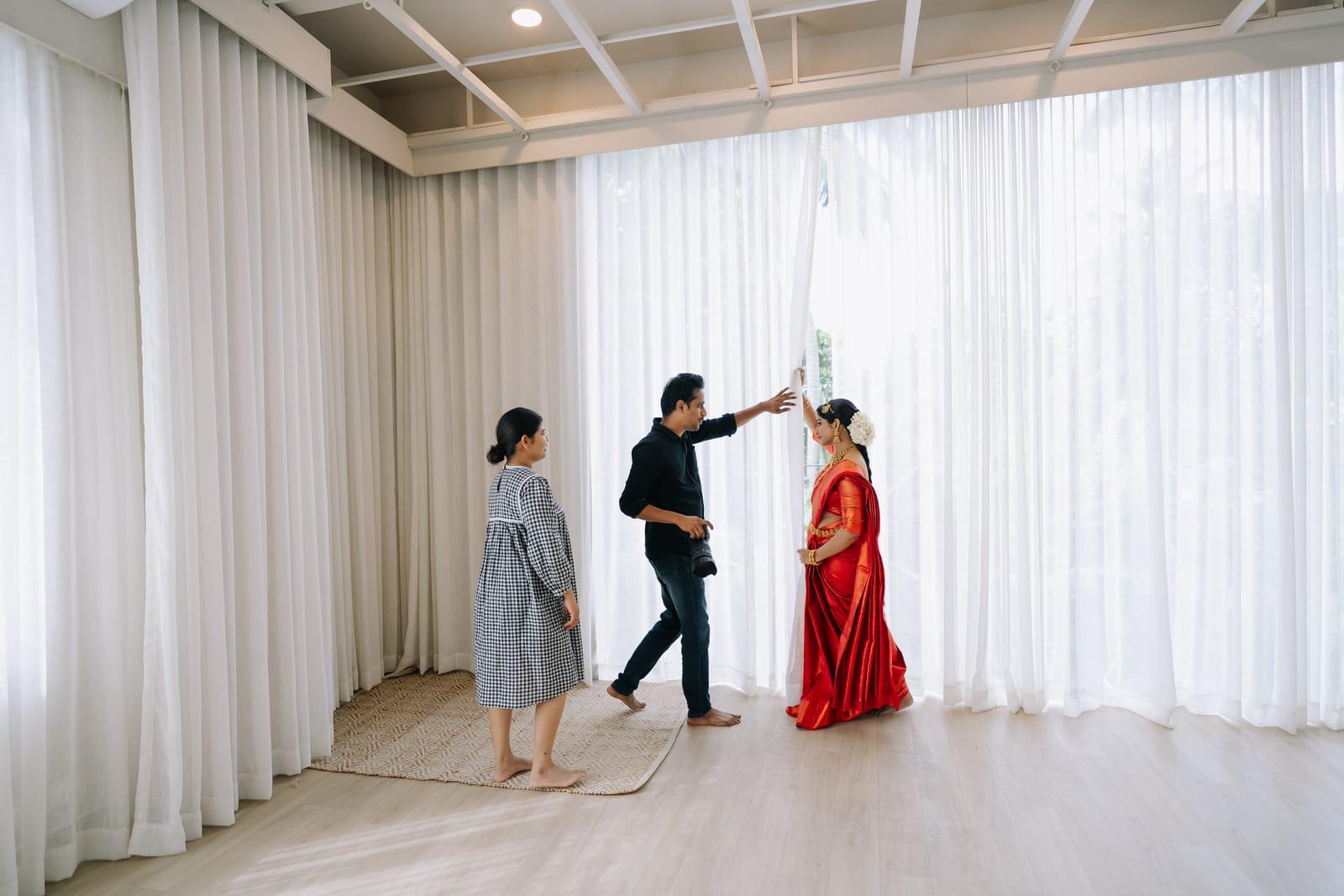
Your floor choice affects lighting, artist movement, and post-production cleanup. A glossy floor bounces light and creates reflections (great for contemporary or EDM aesthetics), while a matte surface absorbs light and reduces glare (ideal for intimate or hip-hop performances). At Veedo, our Lumen floor features a sleek white finish that amplifies natural light and creates clean, modern reflections—perfect for pop and electronic genres. The Noir floor is a darker, acoustically treated surface that swallows light and sound, ideal for moody or stripped-back performances.
Your choice isn't just visual: a reflective floor means your gaffer must account for bounce light in their three-point setup, while a matte floor lets you go harder on key lights without overexposure.
Space Planning: Choreography Needs Real Estate
Most music videos involve some form of movement—dancing, pacing, or dynamic camera work. You need enough unobstructed floor to:
- Allow your artist(s) to move without hitting walls or crew
- Position multiple camera angles simultaneously
- Give your DP room to dolly, crane, or rack focus
- Create safe zones for lighting rigs and bounce boards
Our Lumen studio spans 704 sq ft with high ceilings, supporting full-body choreography and multi-camera setups. For tighter concept videos or solo performances, the Noir floor at 476 sq ft still accommodates single-angle or close-up work without cramping your talent. The rule of thumb: if your artist moves more than 10 feet side-to-side, book at least 600 sq ft.
Pre-Shoot Floor Prep: The Tactical Walkthrough
Before your crew arrives, your floor needs a once-over:
1. Cleanliness inspection – Dust, marks, and debris show up harshly in 4K. Our studios are professionally cleaned daily; confirm your studio's last clean time.
2. Mark your zones – Use spike tape or gaffer's tape to outline safe areas for crew, cables, and equipment. This prevents trip hazards and keeps the shoot flowing.
3. Acoustic check – If your track has a click or you're doing live playback, confirm the floor doesn't ring or resonate unexpectedly. Veedo's Noir floor is acoustically treated; Lumen is bright and open.
4. Cable routing – Run power and video cables along walls or under cable covers. A cable lying across your floor is a lawsuit waiting to happen—and it's in every wide shot.
5. Reflective surface test – If you're using the Lumen floor, do a quick light test. See how the white surface bounces your key light. Adjust intensity or add diffusion if needed.
Floor Lighting: How the Surface Shapes Your Setup
Your floor isn't passive. It's a reflector, and every light choice interacts with it.
| Lighting Scenario | Lumen (White/Reflective) | Noir (Dark/Matte) |
|---|---|---|
| Natural daylight fill | Amplifies and reflects; reduces fill light need | Absorbs light; requires stronger fill or bounces |
| Key light intensity | Can bounce back, creating flare risk | Won't bounce; requires direct placement |
| Shadows on floor | Sharp, defined shadows visible | Soft or absorbed shadows; cleaner look |
| Video exposure | Brighter overall; less dynamic range needed | Darker overall; more post-color grading |
| Ideal for genres | Pop, electronic, indie, bright/modern | Hip-hop, R&B, rock, moody/cinematic |
Hidden Floor Issues: Rookie Mistakes
Slippery surfaces: A polished floor means your choreographer can slide—thrilling in the take, risky for falls. Have non-slip grip tape or dance tape on hand if you're shooting fast-paced movement.
Reflection glare: White floors are gorgeous until your artist is backlit and the reflection blinds the camera. Geek your DP by showing them the Lumen floor in your tech scout.
Sound bounce: A live recording on a reflective floor can cause comb filtering. If you're capturing live audio, test the room's reverb time first—Veedo's Noir floor is acoustically optimized for this.
Hidden marks: A scuff, tape residue, or old sticker will show in high-definition close-ups. Budget 15 minutes for floor touch-ups before your first shot.
About Veedo — The Studio
Veedo — The Studio is a photography, podcast and video rental space in Mamangalam, Kochi. It has two shooting floors: Lumen, a natural-light white floor (~704 sqft), and Noir, an acoustically treated dark floor (~476 sqft). Rentals are hourly, half-day or full-day, from Rs.1000/hour. Book on WhatsApp +91 99956 60056 or at veedo.in/contact.